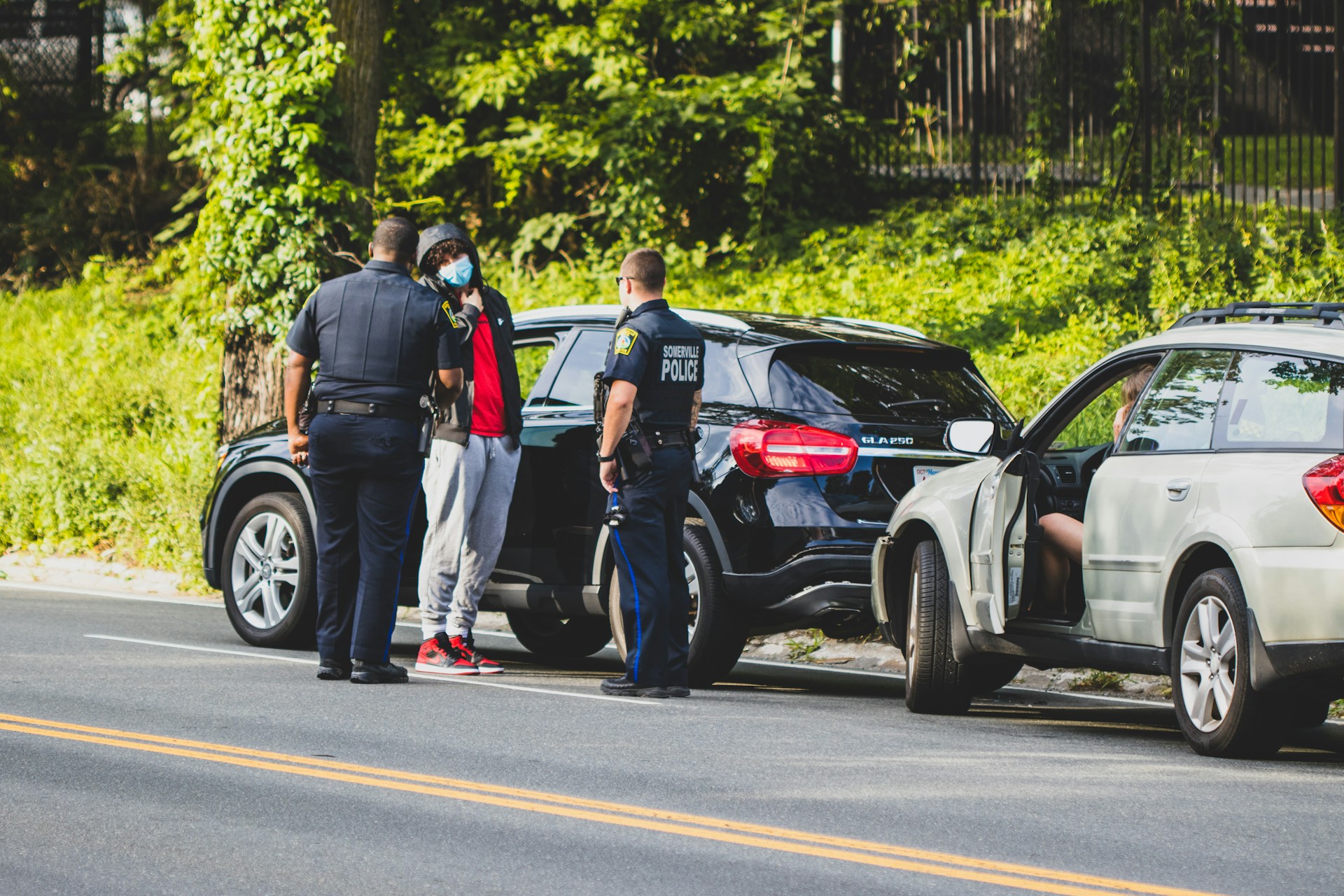
Being pulled over by police can be a stressful experience, even if you’ve done nothing wrong. Knowing your rights and responsibilities in advance can help you stay calm and handle the situation properly.
Why Police May Stop Your Vehicle
In British Columbia, police can lawfully stop your vehicle for many reasons: a traffic violation, a vehicle defect, a roadside sobriety check, or a random stop under the province’s Motor Vehicle Act. They do not always need to tell you why they’ve pulled you over right away.
What to Do When You See the Lights
Pull over safely and promptly to the right side of the road. Turn off your engine, turn on your hazard lights, and stay in your vehicle unless asked to exit. Keep your hands visible — resting them on the steering wheel is a good habit.
Documents You Are Required to Provide
Under BC law, you must provide your driver’s licence, vehicle registration, and proof of insurance when asked. These are legal requirements. Refusing to provide them can result in a fine or additional charges.
Your Rights During the Stop
You have the right to remain silent beyond providing your identification and documents. You are not required to answer questions about where you’ve been or where you’re going. Politely but clearly, you can say: “I prefer not to answer questions without speaking to a lawyer first.”
You also have the right to be free from unreasonable search and seizure under the Canadian Charter of Rights and Freedoms. Police generally need your consent or a warrant to search your vehicle, unless certain legal exceptions apply (such as reasonable grounds to believe evidence of a crime is present).
Stay Calm and Cooperative
Even if you believe the stop is unjustified, the roadside is not the place to argue your case. Remain respectful and composed. Note the officer’s name and badge number if possible. Any legal challenges should be addressed afterward, with the help of a lawyer.
After the Stop
If you received a ticket or were charged with an offence, contact a lawyer to understand your options. Many traffic tickets can be disputed, and criminal charges require immediate legal attention.