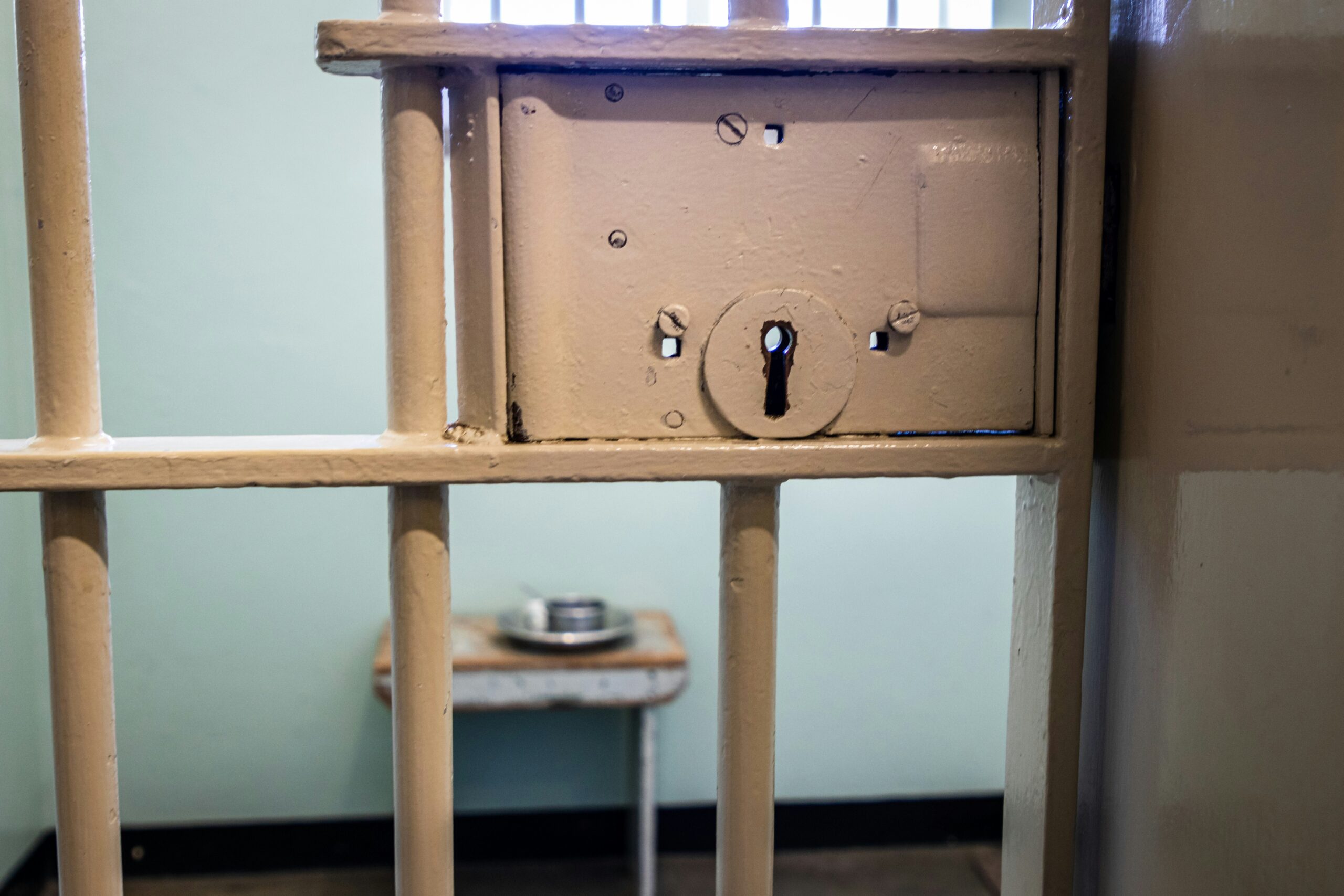
If someone is arrested and charged with a criminal offence in British Columbia, one of the first questions is whether they will be held in custody or released. This is where bail comes in.
What Is Bail?
Bail — more formally called “judicial interim release” in Canada — is the process by which a person who has been charged with a criminal offence may be released from custody while their case works its way through the court system. The underlying principle is the presumption of innocence: a person is innocent until proven guilty, and should not be imprisoned simply because they have been charged.
The Bail Hearing
After an arrest, police may release the accused directly with a promise to appear in court. If they are not released by police, the accused must be brought before a justice of the peace or judge — within 24 hours — for a bail hearing (called a “show cause” hearing). At this hearing, the Crown must typically show cause (provide reasons) why the accused should be detained.
Grounds for Detention
A judge may order that a person remain in custody if detention is necessary on one of three grounds:
- Primary ground: To ensure the person shows up for court.
- Secondary ground: To protect the public, given the risk that the accused may reoffend.
- Tertiary ground: To maintain public confidence in the justice system (usually reserved for very serious offences).
Release Conditions
If released, the accused is typically subject to conditions. These may include reporting to a bail supervisor, living at a specific address, not contacting certain people (such as the alleged victim), not consuming alcohol, curfews, or surrendering a passport. Breaching any condition is itself a criminal offence.
Sureties
A surety is a person — often a family member or close friend — who agrees to supervise the accused and pledges a sum of money that could be forfeited if the accused breaches their conditions or fails to appear in court. Being a surety is a serious legal responsibility.
If Bail Is Denied
If a person is denied bail, they are held in remand (pre-trial custody) until their case is resolved. They can apply to have the bail decision reviewed by a superior court judge after 90 days.
Getting Legal Help
Bail hearings can happen quickly, so it is important to contact a lawyer as soon as possible after an arrest. Legal Aid BC may be available for those who cannot afford a lawyer.